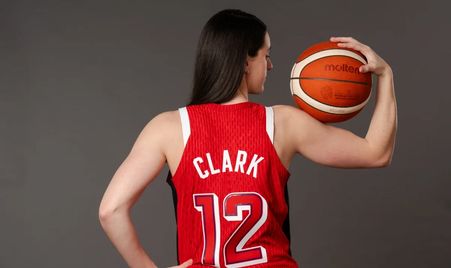
Caitlin Clark debuts for Team USA: How to watch USA vs Senegal and Game Preview
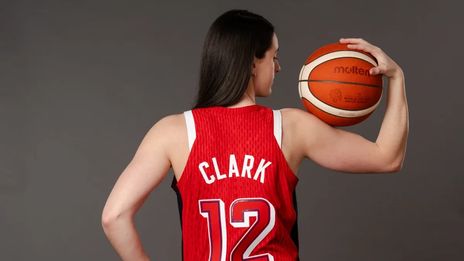
- → Game to take place at the Coliseo de Puerto Rico José Miguel Agrelot (“El Choli”), San Juan on Wednesday, March 11 at 5:00 PM Local Time (GMT-4)
- → Form check: USA’s most recent FIBA competitive outing ended with a 92-84 Women’s AmeriCup final win over Brazil; Senegal last played a 66-65 loss to South Sudan in the AfroBasket bronze game
- → Context: Caitlin Clark’s senior Team USA debut is the headline, but Puerto Rico is really about building a shape for Berlin - and stress-testing it in a hurry
When Clark steps on the floor, defenses don’t just have to guard a player - they have to guard an entire offense. Her range stretches the court before the first action is even called, and that’s why her USA debut against Senegal isn’t simply “how many points?” It’s: how quickly does her gravity become a shared advantage for everyone else?
Clark’s first night: expect the ball to find her - and then keep finding her
There are two versions of a high-profile debut: the one where a star gets force-fed touches, and the one where the system quietly bends around the star until the game feels inevitable. USA’s best path is the second.
The Indiana Fever star will still get her stamp moments, but the more interesting part is how they arrive.
1) Early offense will be the introduction.
USA will want her pushing after makes and misses - not just to hunt pull-up threes, but to create those “defense isn’t set yet” reads where she’s lethal. In FIBA play, you can’t rely on free-throw pauses to reset; you have to manufacture clean advantages. Clark does that by sprinting the decision-making. Even a simple hit-ahead, drag screen, or quick pitch-back can turn into a chain reaction.
2) Expect her to be a dual-threat without monopolizing the ball.
This roster has multiple organizers, so Clark doesn’t need to play 40 minutes of heliocentric basketball to matter. Look for her off the catch: relocating after a pass, lifting from the corner into a handoff, slipping into space for one-dribble pull-ups. If Senegal loads up high to take away her shot, the real punishment is the next pass: short-roll pockets, corner shooters, and baseline cutters living off the attention.
3) Senegal will test her handle with physicality and changing pictures.
This is where the debut gets real. Senegal can’t match USA’s depth, but it can make the game feel uncomfortable: crowding her airspace, bumping cutters, showing a second defender at the level, then mixing in zone possessions to keep her from playing a clean rhythm game. Clark’s counter isn’t just range, it’s composure. If her first read isn’t there, she’s good at flipping to the second without the possession dying.
4) The “FIBA details” are part of the story.
No defensive three-seconds means the paint can be more crowded; goaltending rules are different; the whistle can be more permissive on contact. The players who thrive are the ones who stay poised when their usual lanes disappear. Clark’s best indicator won’t be the highlight pass, it’ll be the boring one: the early swing, the reset, the patience to drag the defense one extra step before she strikes.
5) The debut doesn’t need to be perfect to be impactful.
Clark is returning to game action after a long layoff following injuries that ended her 2025 WNBA season early, so a touch of rust is normal.
What matters for USA is whether her presence immediately lifts the quality of possessions: cleaner spacing, quicker decisions, more shots created with advantage rather than talent alone.
USA in Puerto Rico: part audition, part accelerator
The convenient truth for the rest of the field is that these are World Cup qualifiers. The inconvenient truth is that the USA treats any week together like a laboratory with standards.
They’ve already booked their ticket to Berlin by winning the 2025 Women’s AmeriCup, but San Juan still has purpose: build continuity, identify closing groups, and fast-track the next generation into real international minutes.
That’s why this roster is such a fascinating blend. Clark, Angel Reese, and Paige Bueckers give it a “future-facing” feel, while veterans like Chelsea Gray, Kelsey Plum, and Jackie Young supply the tournament muscle memory — the steadiness that keeps games from getting sloppy.
Kara Lawson coaching this window adds another layer: expect clear roles, defensive accountability, and an emphasis on winning possessions rather than chasing a vibe.
Senegal’s route to competitiveness: keep USA honest, make it heavy
Senegal isn’t coming to trade shot-making for 40 minutes. The goal is to turn this into a game of pressure points: rebounding, contact, and forcing USA to execute multiple actions to get what it wants.
What they can lean on is pride and structure - a willingness to pick up full-court for stretches, to shrink the floor, and to live with the idea that the USA will make hard shots. And if Senegal can steal a few live-ball turnovers and turn them into transition points, the scoreboard can stay respectable longer than people expect.
The challenge is obvious: history hasn’t been kind in this matchup, with the USA routinely overwhelming Senegal’s margin for error.
A debut, a week, and a bigger deadline
For Clark, it’s the first page of a new chapter: proving her game scales to USA Basketball’s pace, talent density, and defensive demands — and that her influence can be just as loud when she’s sharing the stage.
For the USA, it’s a compressed rehearsal: the road to Berlin isn’t about assembling the most famous names; it’s about building lineups that defend, run, and execute when the game tightens. Senegal is simply the first test in a week that’s going to ask real questions.
Watch Caitlin Clark's USA debut vs Senegal
Stream USA vs Senegal live from the Coliseo de Puerto Rico José Miguel Agrelot (“El Choli”) on Courtside 1891 and pick the Max Event Pass for this event window or go Max Annual for year-round access to the FIBA Women’s Basketball World Cup Qualifiers and other FIBA competitions. Regional availability and blackouts may apply.